DUST SUPPRESSION SYSTEM
Intime Associates brings state - of - the - art technology to the difficult and costly task of controlling dust at manufacturing, industrial and agricultural sites.It produces a ultra - fine water fog that effectively attracts and holds dust particles so that they can be more readily removed from the work place and other environmentally sensitive areas.
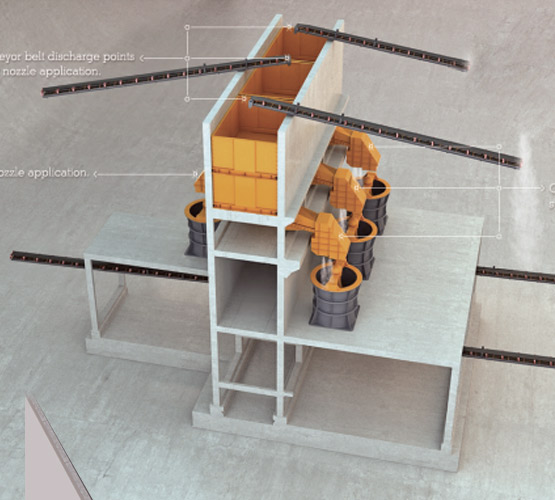
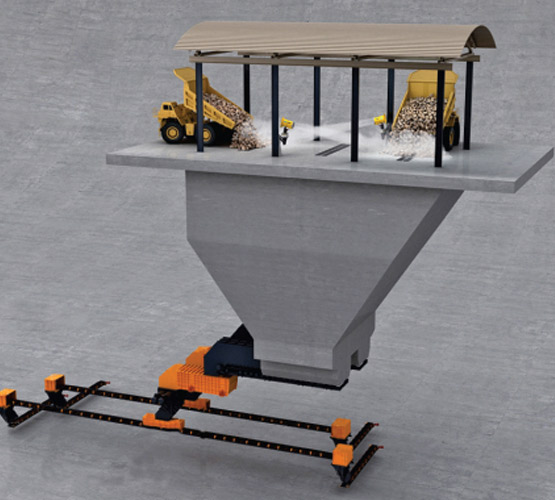
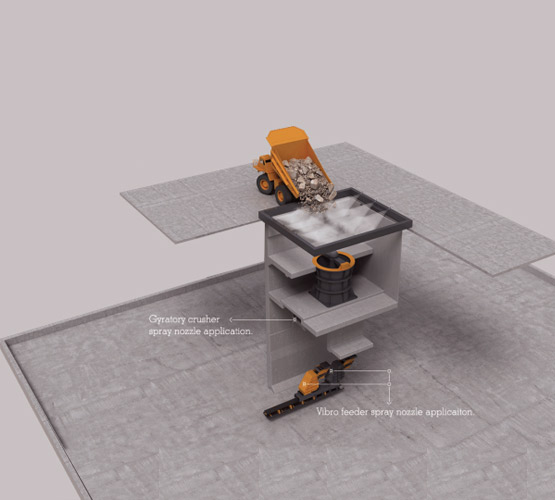
The majority of dust in a typical quarry is created during the extraction and crushing process. Dependent on the nature of the mineral, moisture content and particle sizes - the dust is released in to the environment during subsequent conveying, screening, stacking and loading operations. In order to prevent dust particles from getting airborne, foam is introduced in controlled measures at transfer points, immediately prior to the crushers or directly in to the crushers.This ensures that all the material is fully coated in Foam.
As the mineral / aggregate is crushed - new faces are exposed and dust particles are released.These dust particles collide with the Foam bubbles piercing them and thus releasing the moisture held therein.The result is that the dust particle becomes thoroughly wetted and its increased weight causes it to fall back on to the main body of the material. The dampened dust particles will then continue
their entire journey through subsequent crushing, screening and to the final storage bins without ever getting airborne.
To achieve effective dust suppression approximately 2 litres of solution converted to Foam is required per one tonne of material.The solution is made up of up to 200 parts water to 1 part Dustrol 70 - our Foaming Agent
Best - Chem is the European manufacturer of Dustrol 70. The product is made here in our facility in the UK.Dustrol 70 is safe to use and biodegradable. When used correctly, it does not have any adverse effects in the cement making process, ready mix applications, concrete block making nor asphalt production.
FOAM SYSTEM VS DUST EXTRACTION SYSTEM
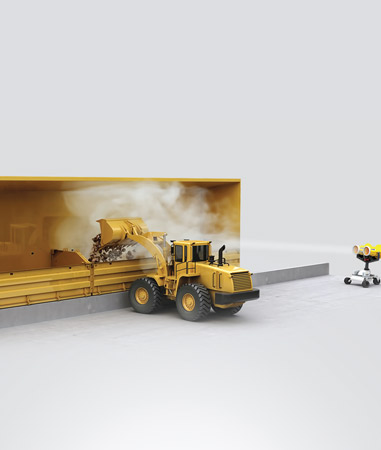
Dust extraction and fogging systems are trying to treat dust that is already airborne Once dust is airborne it is very difficult to control Dust extraction systems have a very high capital cost followed by higher running and maintenance costs. Foam systems require a fraction of the amount of energy needed to run an extraction system. The maintenance requirement of dust extraction systems are substantial and as a result they often fall into disrepair. The removal of the extracted dust is another consideration and activity that needs to be managed to allow the Dust extraction system to function. Dust extraction points are needed at every dust creation point and this is often neither practical nor cost effective.
FOAM SYSTEM VS WATER SPRAY SYSTEM
Up to 50 times as much water is required to have the same effect as foam Only effective when moisture content is not a concern High moisture content increases the likelihood of blinding screens or blocking chutes. Access to high volumes of water is required
BENEFITS OF FOAM DUST SUPPRESSION SYSTEMS
PREVENTS THE DUST FROM GETTING AIRBORNE Foam systems use up to 1/50th less moisture than water spray systems whilst achieving up to 90% reduction in fugitive dust emissions Less moisture in the material reduces the wear on the crusher parts Less moisture in the material reduces the chance of the blinding during the screening process which is a significant problem with conventional water spray systems Less moisture can offer significant savings in downstream processes, such as transportation costs, or drying costs, in asphalt production for example. Foam systems expand the physical properties of the water allowing for greater coverage with reduced water consumption. Ideal for situations where water is in short supply. Wetted dust particles will then continue their entire journey through subsequent crushing and screening process to the final storage bins without ever getting airborne Reduces the amount of housekeeping required